

Ways of preparing
…to let you enjoy coffee even more…
Coffee has started to become a big part of our lives again over the last few years. This is largely due to new technology. Most households can nowadays have at their disposal a coffee machine capable of delivering the perfect cup at the press of a button. And the creativity surrounding the different ways of making coffee truly leaves very little to be desired. The result is often a welcome change, or occasionally even a totally new way of enjoying this stimulating drink – all with the energizing and invigorating effect that only a good, freshly made cup of coffee can deliver.
In short, connoisseurs who want to enjoy the real thing – an intimate Italian Caffè for two, for example – no longer have to catch a plane to do so, as the means are at hand at any time and in most homes. Enjoying a proper cup of coffee is starting to be more of a culinary and cultural event than it once was, while acting as an expression of a different life style and providing a moment’s reflection in a hectic time.
Whether your preferred method is to use a gleaming new coffee machine, dig the filter jug out of the cupboard, cook up an espresso on the kitchen stove or simply brew up with boiling water and instant coffee, what matters in the end is your love of coffee, a nose for quality, and … not least … a little coffee-making skill.

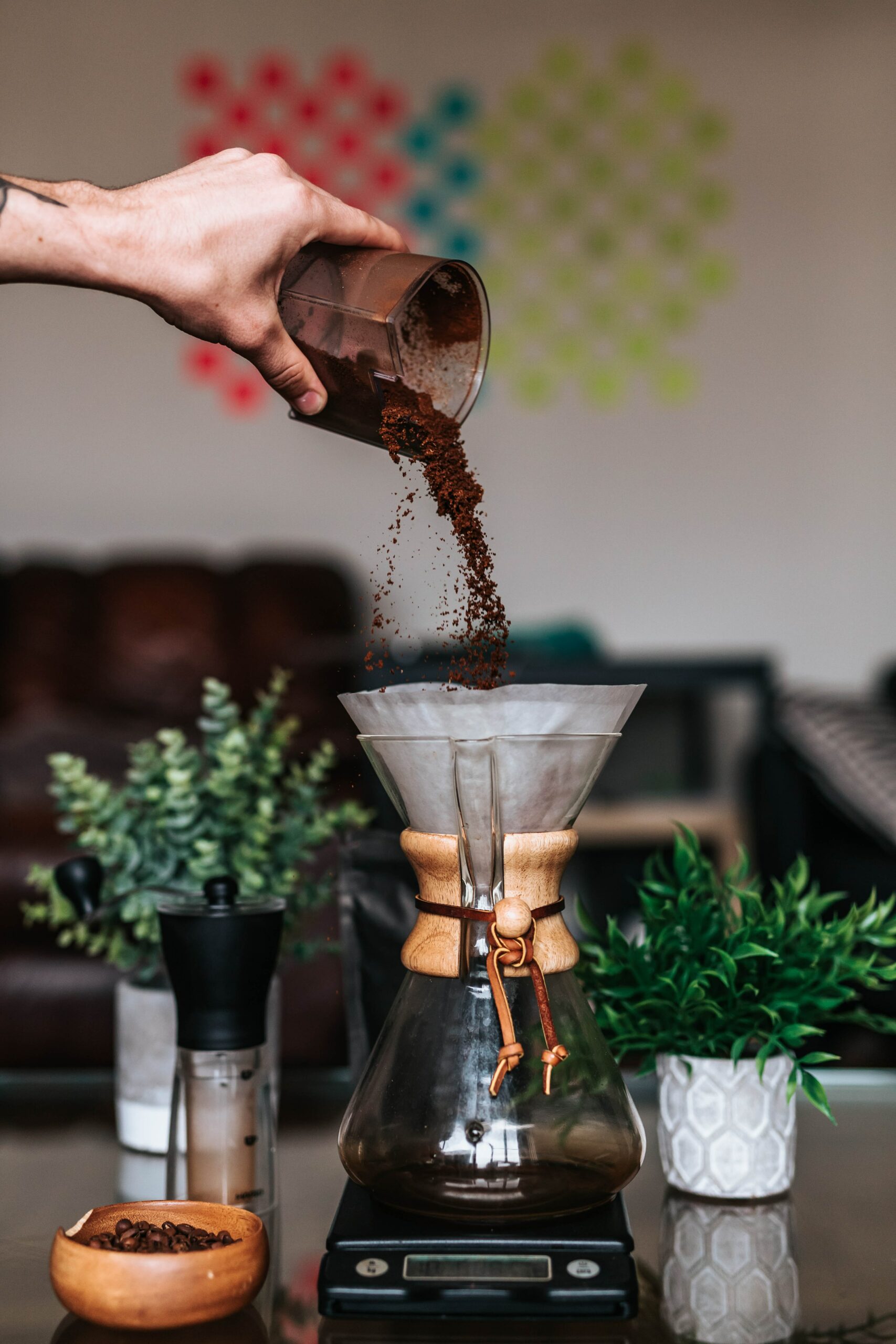
Maximum enjoyment of coffee
is nigh on impossible without at least some technology…
This is borne out by the various methods at our disposal that manage to combine the latest techniques with a deep sense of tradition:
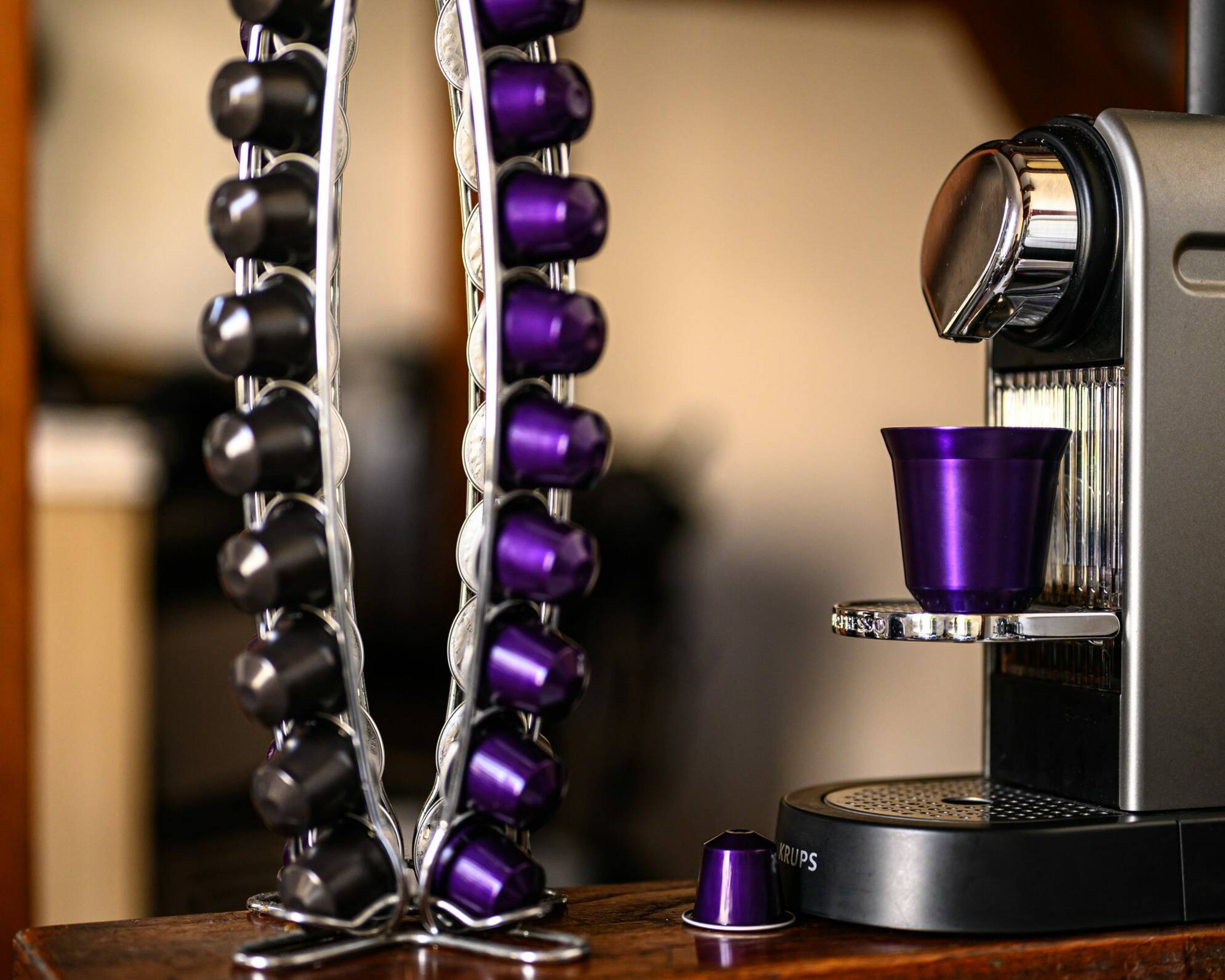
Coffee capsules are portions with a solid shell that already contain ground and proportioned coffee powder. There are a variety of different capsule systems. They differ in terms of shape, composition and quantity of coffee. There are special machines for each capsule system. The advantages: Consistently high quality in the cup due to the already existing dosing, grinding and pressing of the coffee grounds, as well as the large selection of different types of coffee and the convenient, clean preparation method.
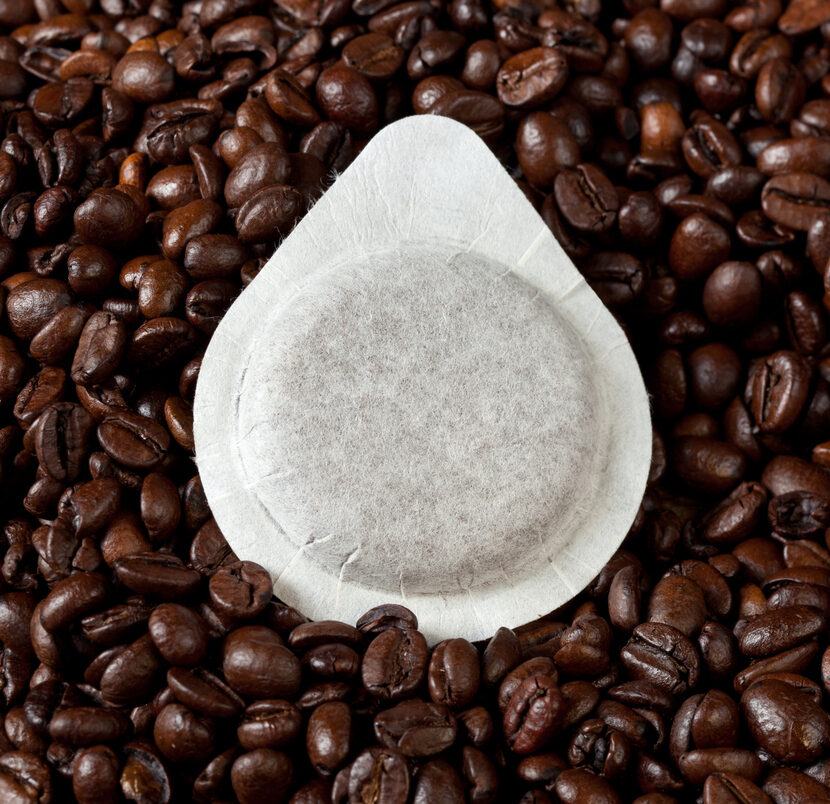
Coffee pods are portions without a solid casing that contain ground and proportioned coffee powder, enclosed in a filter paper. These portions are processed in piston machines or in specially developed machines. The advantages: Consistently high quality in the cup due to the already existing dosing, grinding and pressing of the coffee grounds, as well as the large selection of different types of coffee and the convenient, clean preparation method. In addition, all coffee pods can be composted.
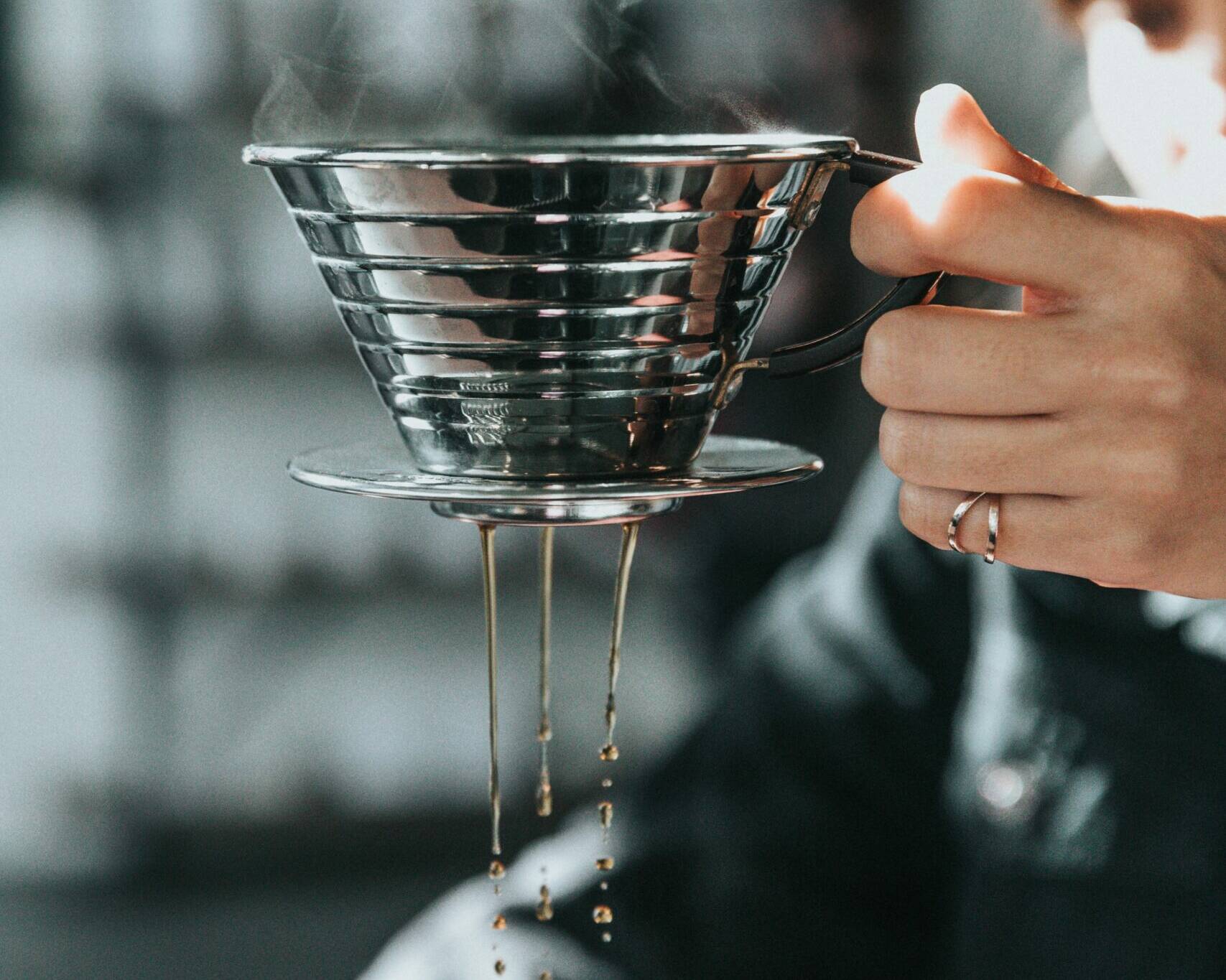
– tried and tested, and unlikely to succumb by any new-fangled technology; is still a favourite way of making coffee in Switzerland, for example. Just place the filter paper in the holder and spoon in the desired amount of ground coffee. Carefully pour in hot water and wait for the coffee to drip down into the jug.
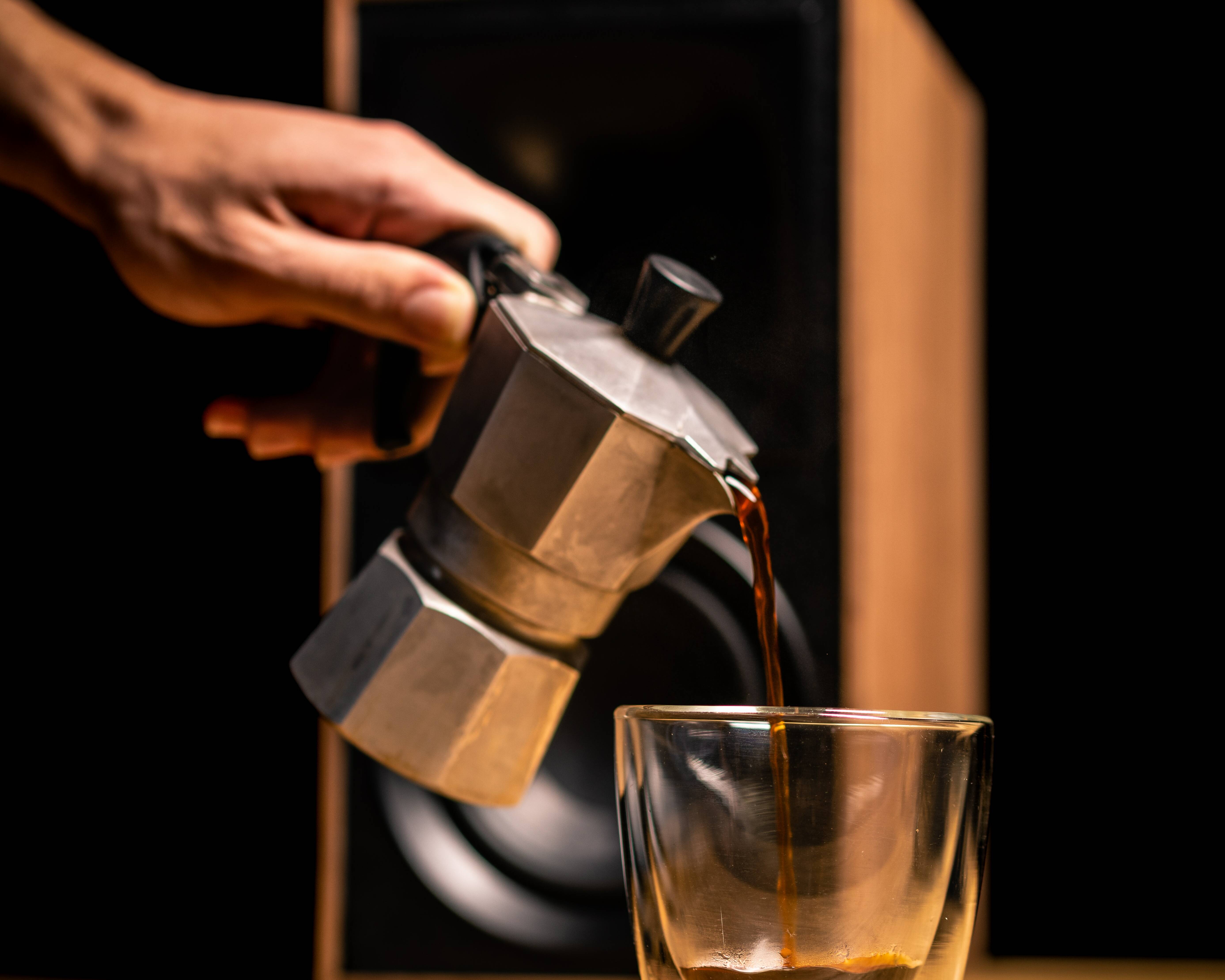
This highly popular piece of kitchenware is also an Italian legend. The pot consists of two separate containers that screw together. In between them lies the ground coffee. The cold water in the bottom half of the pot is heated on the stove and, as steam pressure builds up, it passes through a solid pellet of ground coffee and into the top half of the pot.
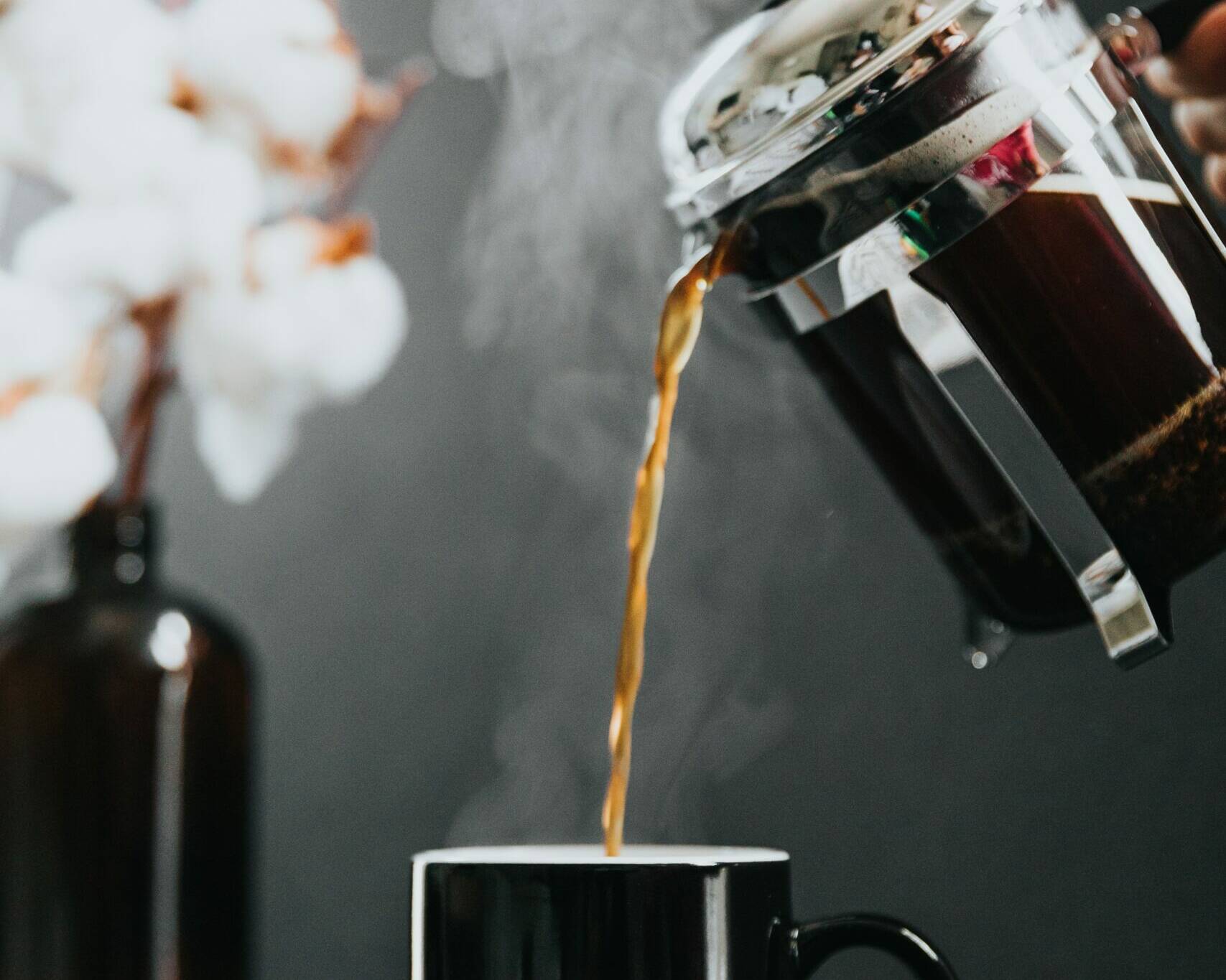
Making coffee in a French Press has for several decades been one of the most popular methods of preparation. It is easy to use and clean, and requires no additional paper filters. As the metal sieve on the plunger does not, in contrast to a paper filter, trap the essential oils present in the coffee, the resulting brew has a more full-bodied flavour.
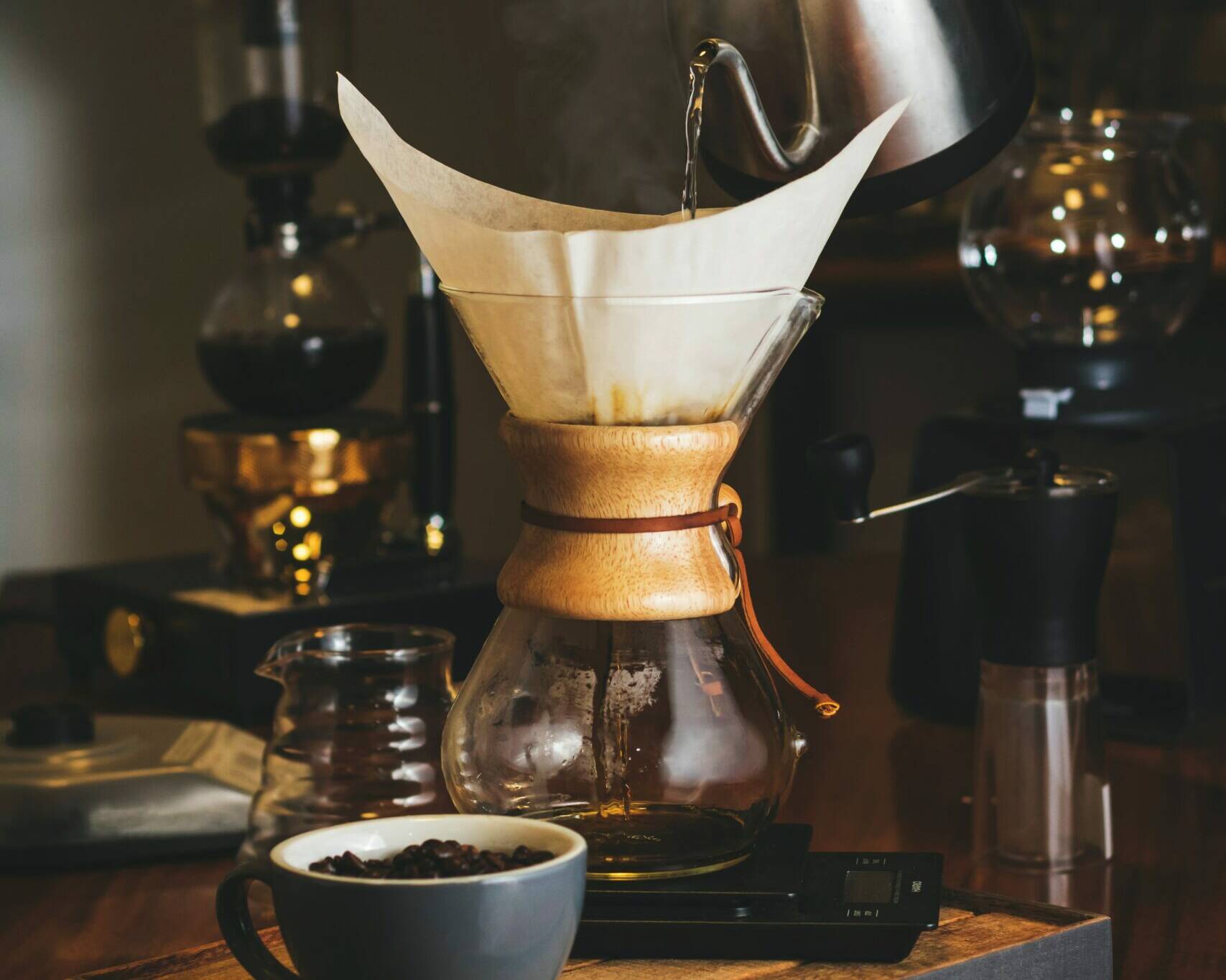
The Chemex Coffeemaker, which was invented by Dr. Peter J. Schlumbohm, a German chemist, is regarded as a classic by many coffee connoisseurs. The Chemex has certain decisive advantages over conventional automatic filter-coffee machines in terms of brewing temperature, brewing time and cleaning. The Chemex Coffeemaker also uses thicker, finer-grade filter paper than that of conventional filter-coffee pots, which gives the resulting brew a cleaner, rounder and more aromatic flavour.
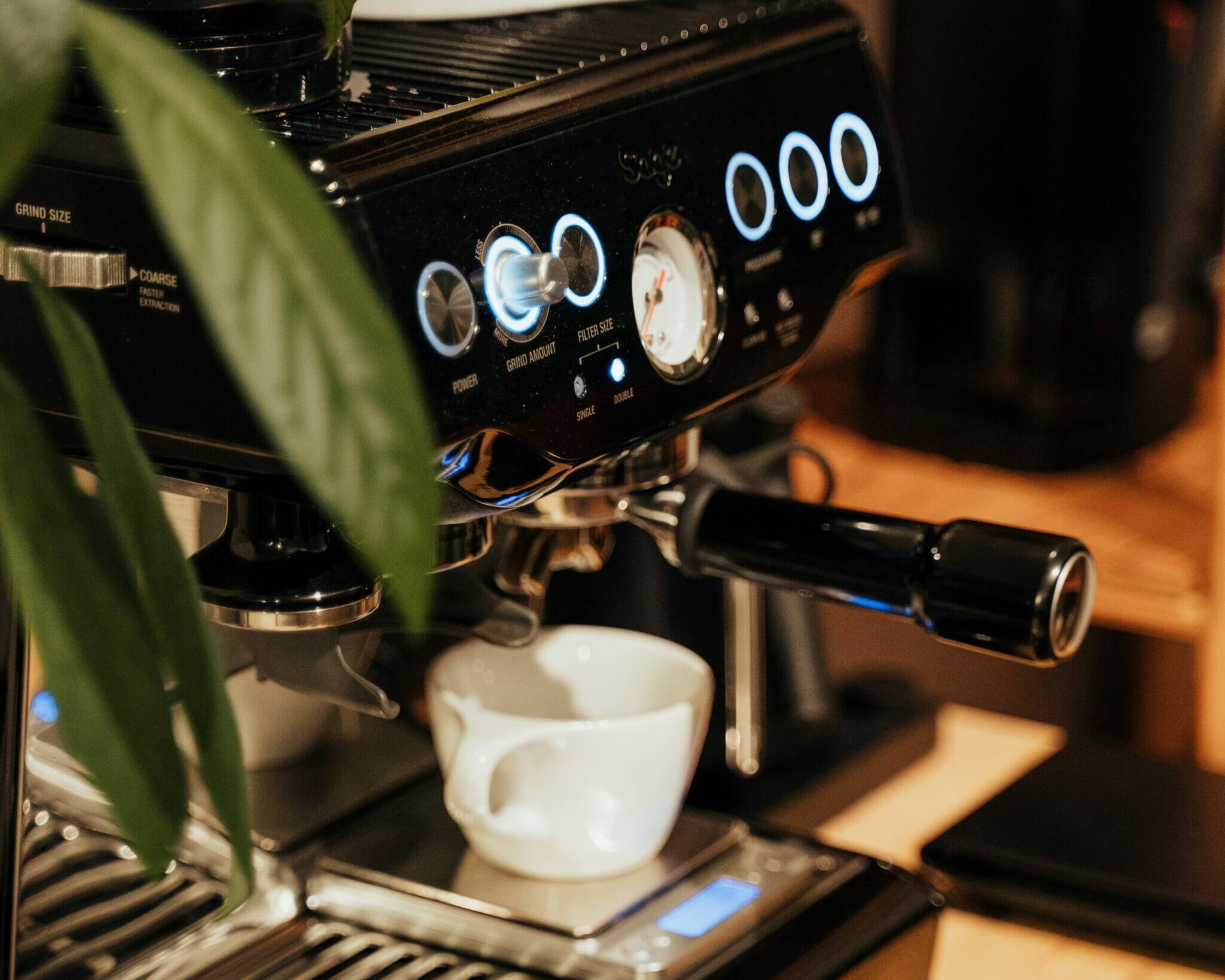
(espresso machine with automatic steam system). The ground coffee is placed in the filter holder and pressed down slightly. The filter holder is then inserted into the machine and tightened by hand. A button is pressed and hot water from the boiler is directed at high pressure through the coffee (hence the term “presso”, “espresso”). This is the system that most professionals still use, as pressing and tightening of the filter allows for individual portion control. Domestic users can also buy pre-packed individual portions of freshly ground coffee, ready for placing directly into the filter holder.
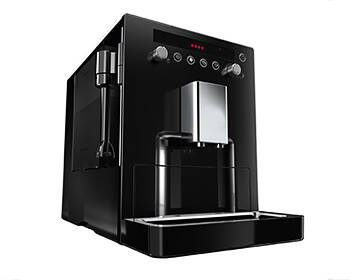
Most of the procedures involved are automatic on this type of machine. When the button is pressed, a built-in mill grinds the coffee and tips it into a cylinder. A piston then presses the hot water through the coffee. The water is either heated up in a boiler or kept at a constant temperature by an instantaneous water heater.
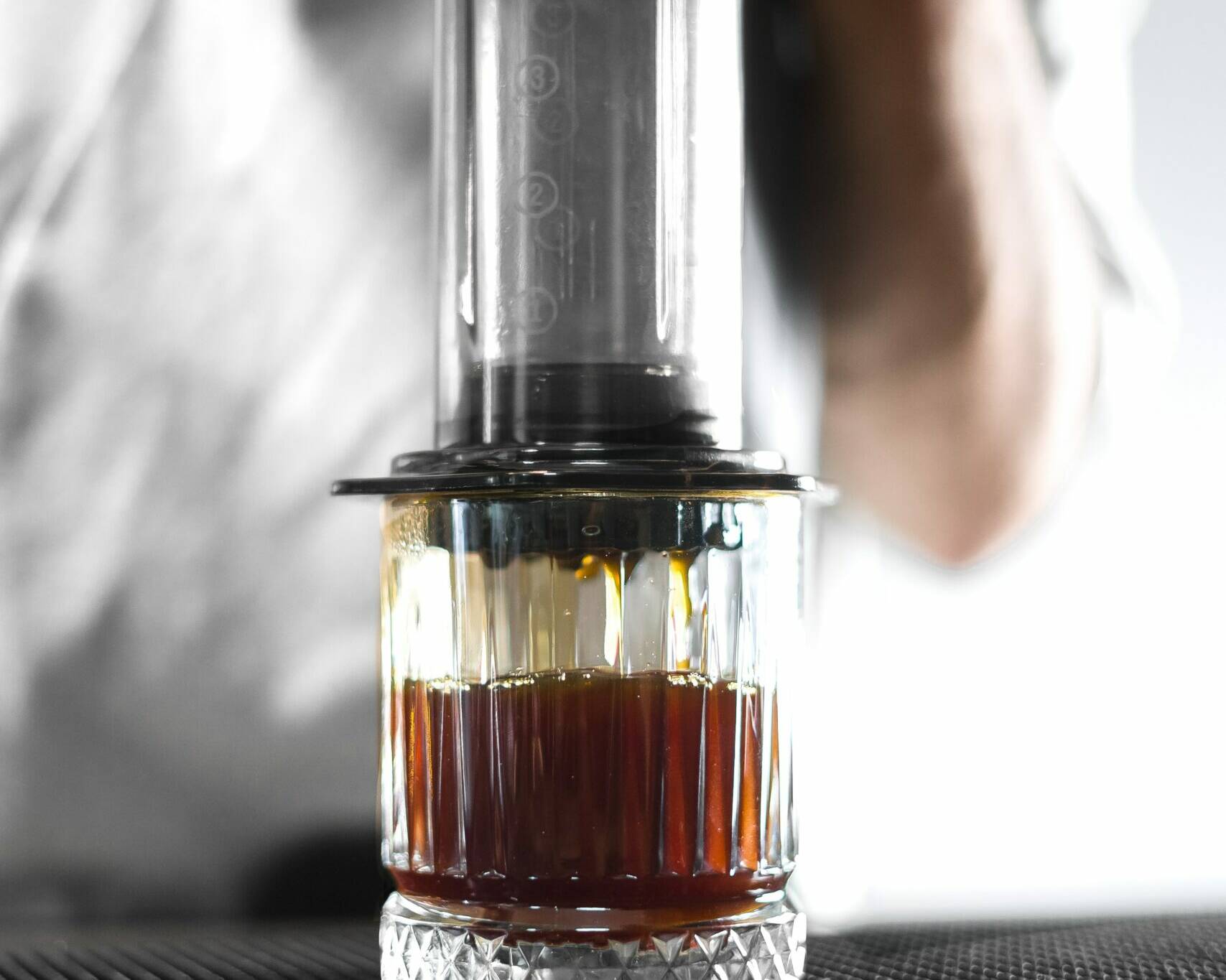
Few other coffeemaking tools have the cult following of the AeroPress. The AeroPress offers a large range of possible variations regarding grinding fineness, water temperature, volume ratio and brewing time. The AeroPress extracts an incredible variety of flavours from the coffee used, and it is fast and easy to operate and keep clean.
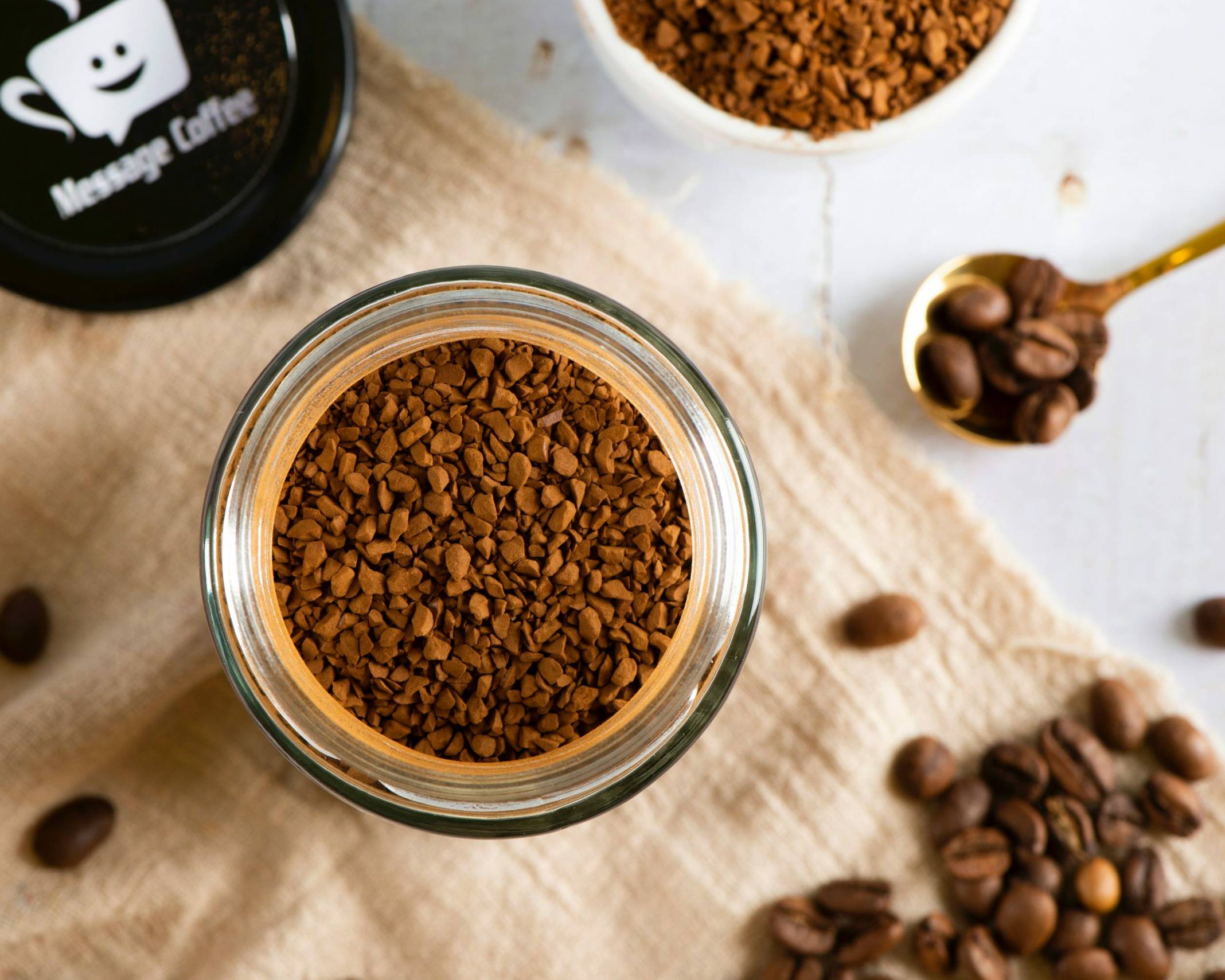
Soluble freeze- or spray-dried coffee is placed into a cup or glass and stirred with hot or cold water. Unbeatably fast and simple preparation – along with problem-free storage – are benefits that many prize and take advantage of. This type of coffee is ideal, for example, for making cocktails and other drinks that contain coffee as an ingredient, in coffee-based recipes (particularly desserts), and as a complement to or basis of more and more new creations that involve coffee.
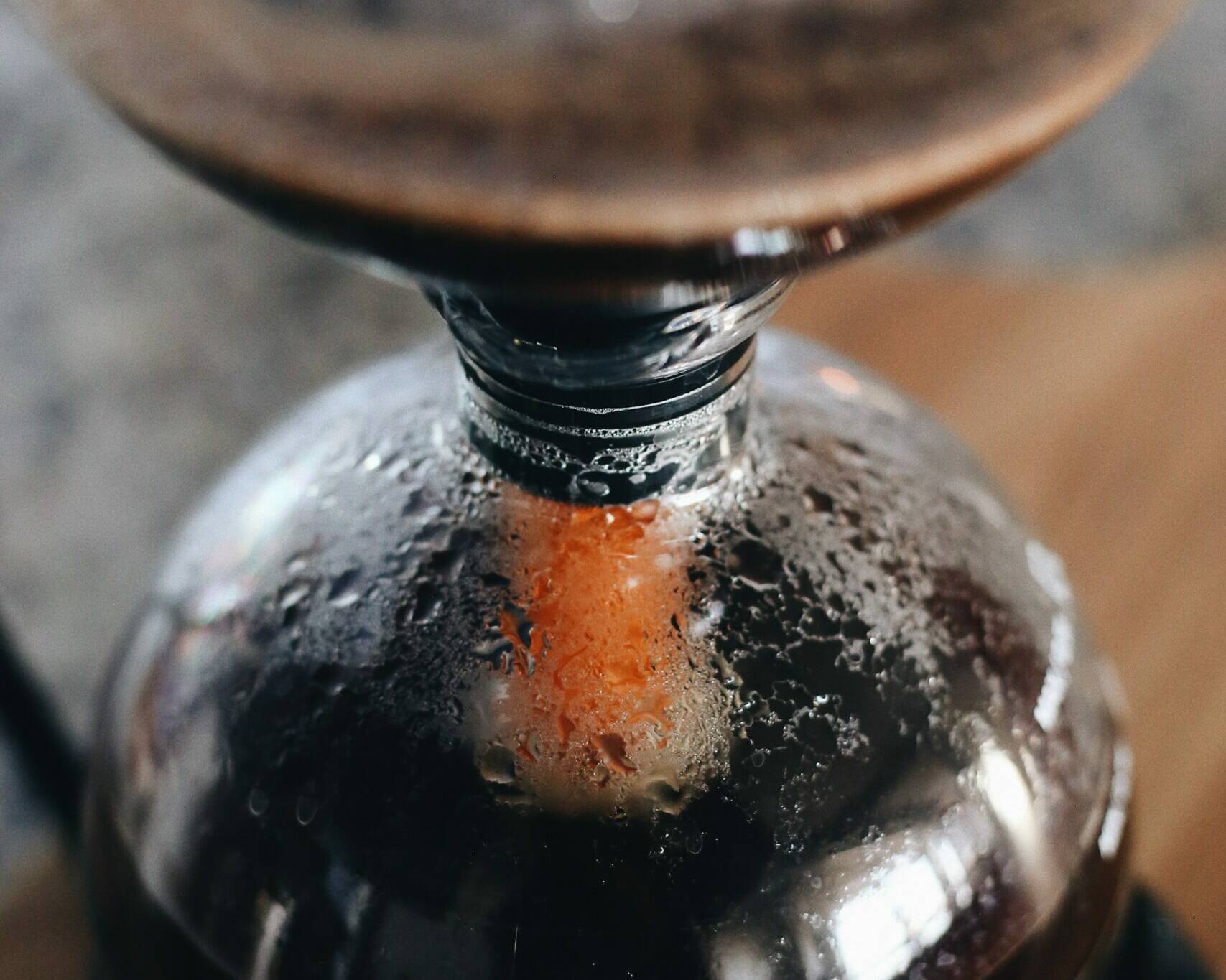
The method of preparing coffee in a glass vessel by means of a vacuum has been known since at least 1830. The principle of syphon preparation is based on the properties of such a vacuum. Water in a glass flask is heated and becomes pressurised. Freshly ground coffee is then put into a glass funnel, which is placed on top of the heated glass flask. The pressure in the bottom half of the device forces the water upwards, where the coffee is stirred in. The aroma and flavour of the coffee are then transferred to the water. When the heat is turned off, the vacuum so produced draws the brewed coffee down into the bottom vessel.
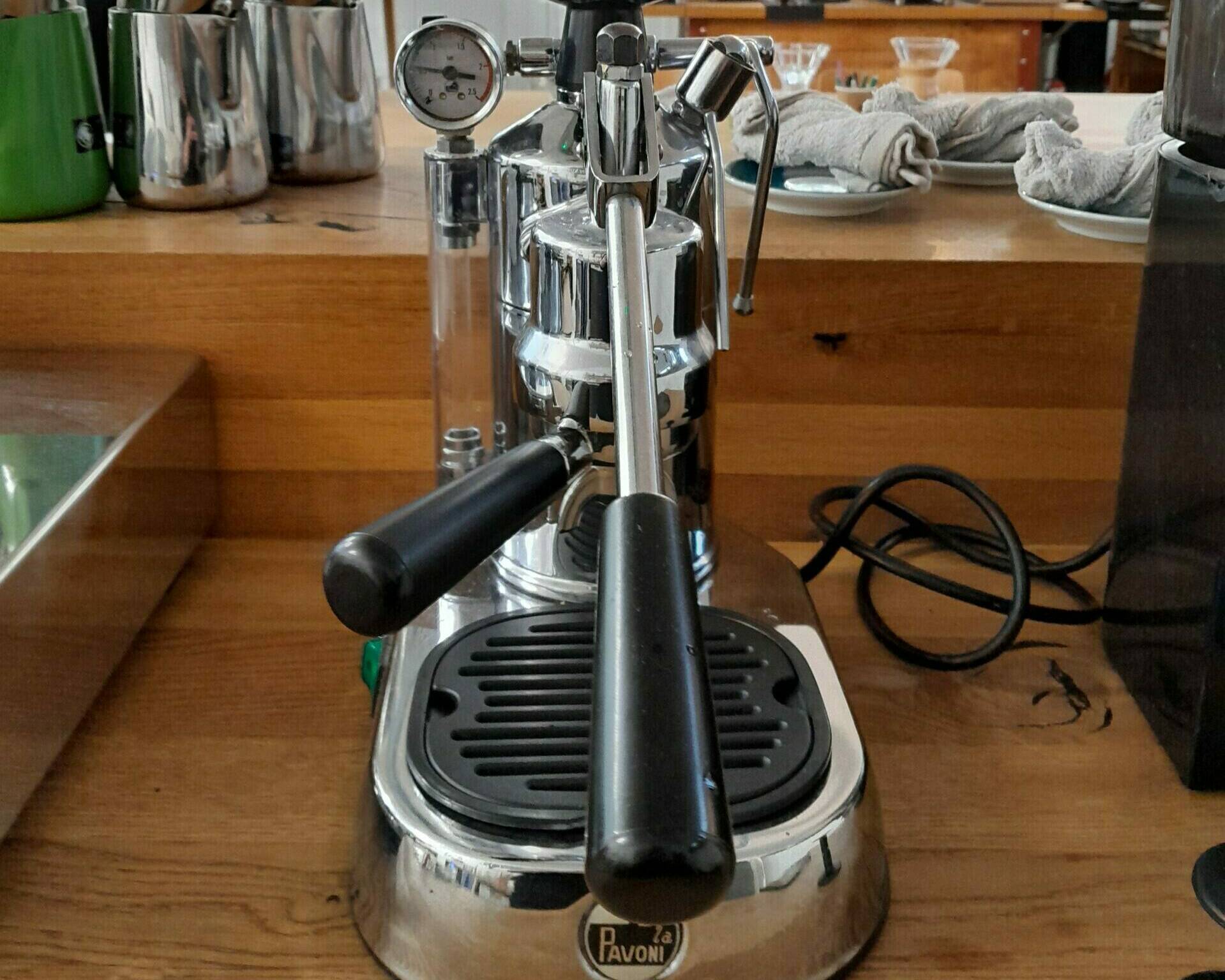
The ground coffee is placed in the filter holder and pressed down slightly. Pulling down on the lever (a strong arm is required) presses a piston, which forces the hot water from the boiler to pass through the coffee. This procedure, which requires touch and plenty of practice, produces an espresso with a unique individual character – which is perhaps why it is the classic method that espresso connoisseurs tend to swear by.
Coffee vending machines are capable of putting the coffee in the cup and stirring it, while adding powdered milk and sugar at the same time.